Argan Oil for Hair: Benefits, Uses & How to Apply It
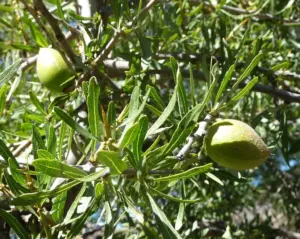
Is argan oil good for hair? For most people, yes. Argan oil for hair is one of the most widely used finishing and conditioning oils in modern hair care, valued for its ability to soften dry strands, add shine, and calm the look of frizz. Pressed from the kernels of the argan tree, native to Morocco's Souss Valley, argan oil naturally contains fatty acids such as oleic and linoleic acid alongside vitamin E and other antioxidant compounds that support smoother, more manageable hair. This guide covers what argan oil for hair can realistically do, how to apply it to wet or dry strands, how much to use, and which product fits your routine. It won't cure hair loss or guarantee faster growth — but used correctly, it's a simple, well-tolerated addition to most hair-care routines.
Quick Answer: What Does Argan Oil Do for Hair?
In short, argan oil for hair works mainly as a conditioning and finishing oil rather than a treatment that changes hair biology. Applied in small amounts, it coats the hair shaft to smooth the cuticle, which is why people reach for it to fight frizz, add shine, and make hair easier to detangle and style. It's gentle enough to use on damp hair after washing, as a finishing oil on dry hair, or as a pre-wash treatment before shampooing.
What Is Argan Oil and Why Is It Used for Hair?
Argan Oil Hair Benefits
The argan oil hair benefits people notice most come down to a handful of effects on the hair surface. Here's what cosmetic-science reasoning and the available research actually support.
1. Helps Condition Dry Hair
For argan oil for dry hair, a small amount smoothed over the mid-lengths and ends can help the hair shaft feel less rough and more hydrated to the touch. This is one of the most consistent argan oil hair benefits reported in cosmetic use — it won't add moisture from the inside, but it slows moisture loss from the surface.
2. Helps Reduce the Appearance of Frizz
A small amount of argan oil for frizzy hair can help lay down raised cuticle scales, which is largely what frizz is at a structural level — swollen, lifted cuticle cells catching light unevenly and tangling with neighboring strands. Smoothing the cuticle with a lightweight oil helps hair look sleeker and more uniform.
3. Adds Shine
Smoother, flatter cuticles reflect light more evenly, which is the main reason conditioned hair looks shinier. Because argan oil for hair spreads thin and absorbs relatively quickly, it can add gloss without the heavy, wet-looking finish some thicker oils leave behind.
4. Helps Improve Hair Softness
Oils like argan oil act as emollients: they fill in tiny gaps on the hair's outer layer, which is part of why hair treated with argan oil often feels noticeably softer immediately after application.
5. Helps Improve Manageability
Less friction between strands means less tangling. A light coating of oil can make hair easier to comb through, particularly on dry, coarse, or curly textures that tend to catch and knot.
6. Helps Care for Dry or Damaged-Looking Hair
Argan oil for damaged hair can improve how hair feels and looks on the surface , a rinse-off conditioner formulated with argan oil helped protect the tensile strength of bleach-damaged hair and reduced protein loss compared with hair washed without it.4
7. Helps Improve the Appearance of Dry Ends and Split Ends
A small amount of oil worked into the ends can temporarily smooth the rough, frayed look of dry or split ends by coating the exposed fiber and reducing friction during brushing and styling. It's a cosmetic fix, though — oil cannot fuse a split hair back together, and the only permanent solution for an existing split end is trimming it off.
How to Use Argan Oil for Hair
Knowing how to use argan oil for hair correctly makes a bigger difference than how much product you own. Here's how to apply it depending on whether your hair is damp or dry.
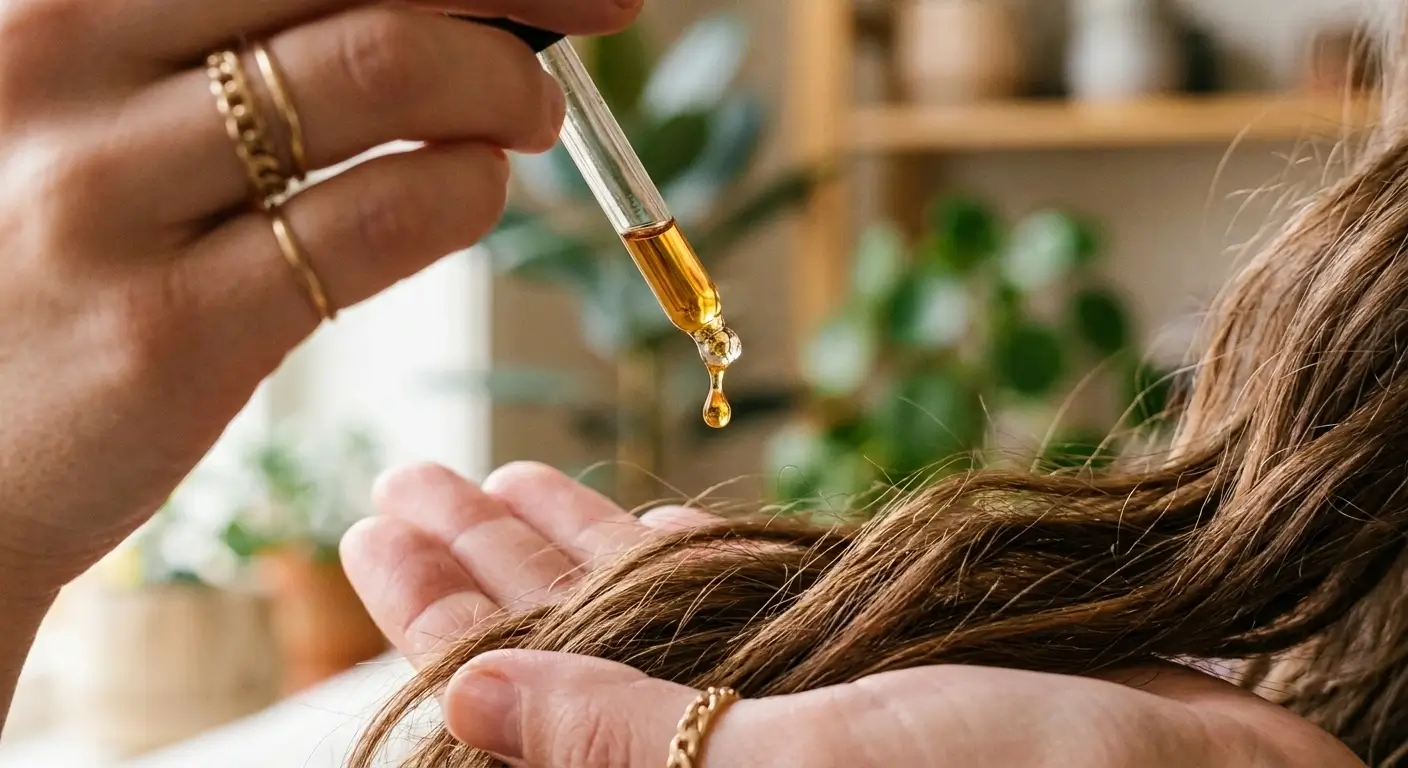
How to Apply Argan Oil to Damp Hair
How to Use Argan Oil on Dry Hair
On dry hair, a small amount works well as a finishing oil for shine, frizz, flyaways, and dry-looking ends. Start with less and add more only if needed — it's much easier to add another drop than to remove excess oil once it's on your hair.
How to Use Argan Oil as a Pre-Wash Treatment
Argan Oil for Different Hair Types
Frizzy Hair
On frizzy hair, use it mainly as a finishing oil on dry strands to smooth flyaways and add shine after styling.
Fine Hair
Fine strands are the most prone to looking weighed down, so use a very small amount — start with a single drop — and focus only on the ends.
Dry Hair
For dry hair, argan oil for hair works best as a regular conditioning step — a few drops on damp mid-lengths and ends after every wash, plus an occasional pre-wash treatment for extra conditioning.
Thick Hair
Thicker, coarser hair can usually tolerate more product; two to four drops distributed through the mid-lengths and ends is a reasonable starting point depending on length and texture.
Curly Hair
Argan oil for curly hair is popular because curls tend to run drier — natural scalp oils have a harder time traveling down a coiled hair shaft. A few drops smoothed over damp curls can help define curl pattern, add softness, and control frizz without collapsing the curl when used in moderation.
Color-Treated Hair
Argan oil can help color-treated hair feel smoother and look shinier by conditioning the surface of the strand, but there isn't strong evidence that it prevents fading or chemical damage from coloring. Treat it as a conditioning addition to your routine rather than a color-protection product.
IBenBerg Argan Hair Care
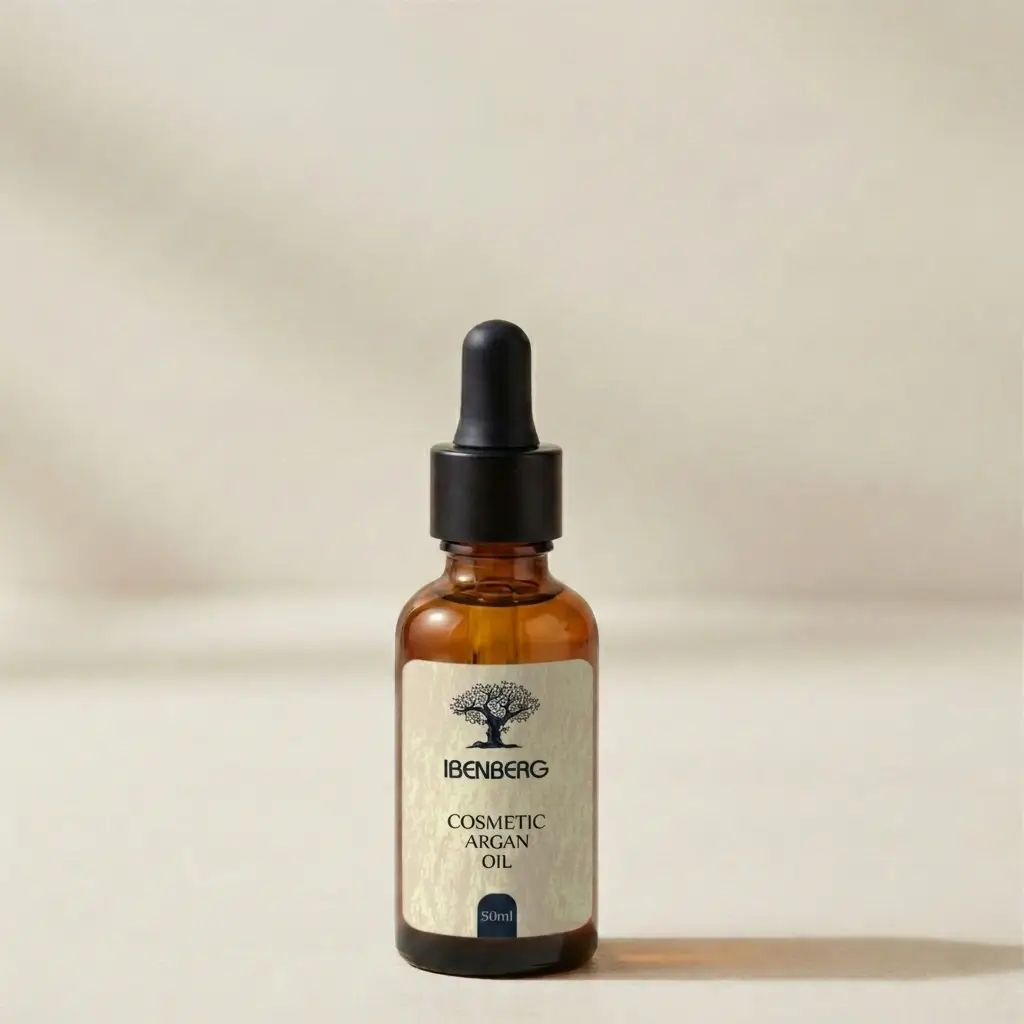
100% Pure Argan Oil
26$-44$
IBenBerg Pure Moroccan Argan Oil for Hair & Skin is a 100% pure, cold-pressed cosmetic argan oil sourced from Morocco, with no added fragrance or fillers — just Argania Spinosa Kernel Oil. As a pure argan oil for hair, it's a flexible single-ingredient option across hair, face, and nails, and you control exactly how much and where you apply it.
Explore IBenBerg Pure Argan Oil →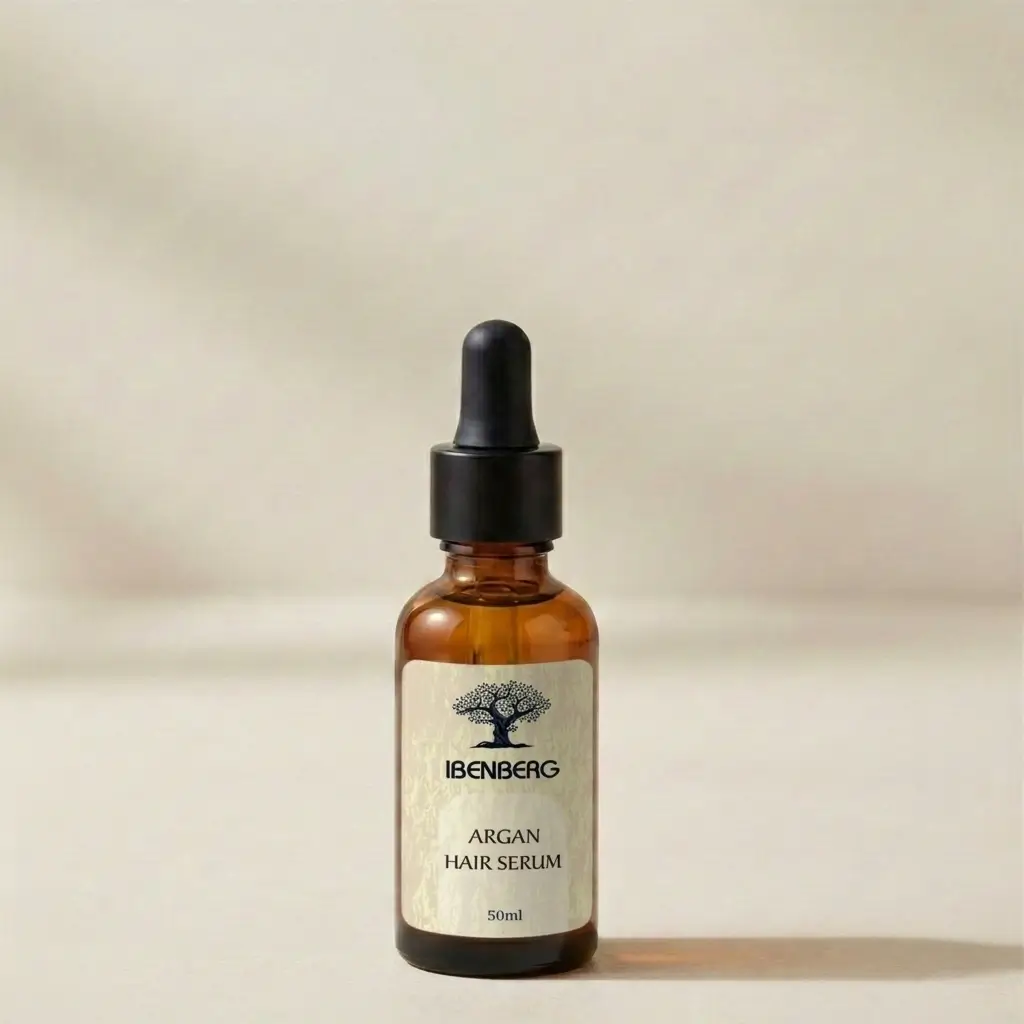
Argan Hair Serum
26$-44$
IBenBerg Argan Hair Serum is an argan oil hair serum built for everyday finishing: a leave-in formula designed for smoothing, shine, and styling. It's intended to be worked through towel-dried or dry hair, focusing on the mid-lengths and ends.
Discover IBenBerg Argan Hair Serum →