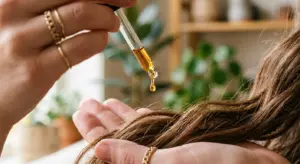
Argan Oil for Face: Benefits, Uses & How to Apply It

Yes, you can use argan oil on your face. Cosmetic-grade argan oil is one of the most widely used facial oils in modern skincare, valued for its light texture and its ability to help moisturize and soften skin. Pressed from the kernels of the argan tree, native to southwestern Morocco, the oil is rich in fatty acids and naturally occurring vitamin E compounds that support a healthy-looking complexion. Many people add a few drops to their routine as a finishing step after cleansing and moisturizing, while others use it as a simple, single-ingredient alternative to heavier creams. As with any skincare product, individual tolerance varies, so it's worth understanding how argan oil works, how much to use, and how it fits different skin types before adding it to your routine.
Quick Answer: Is Argan Oil Good for Your Face?
Argan oil can be a useful addition to a skincare routine, particularly for people looking for a lightweight oil to help soften skin and reduce the feeling of dryness. Its fatty acids and naturally occurring antioxidant compounds make it a popular cosmetic ingredient, although individual skin tolerance varies. It works best as a complement to — not a replacement for — a basic cleansing and moisturizing routine.
What Is Argan Oil?
Argan oil is pressed from the kernels found inside the fruit of the argan tree (Argania spinosa), a species native to the Souss Valley region of southwestern Morocco. For generations it has been produced using traditional pressing methods and used in cooking as well as in skin and hair care. Cosmetic-grade argan oil is the version formulated and packaged specifically for topical use.The oil is naturally rich in oleic and linoleic fatty acids, along with tocopherols, a form of vitamin E. These compounds are part of why argan oil is a popular ingredient in facial oils, serums, and moisturizers. For a deeper look at where argan oil comes from and its full range of uses, see our complete guide to Argan Oil Benefits.
Benefits of Argan Oil for the Face
1. Helps Moisturize Dry Skin
Facial oils like argan oil sit on top of the skin and can help soften rough patches while reducing the feeling of tightness that often comes with dryness. Because it's a lightweight oil, it tends to absorb without leaving a heavy residue, which makes it a popular option for people who want extra moisture without a thick cream.
2. Supports the Skin Barrier
The outermost layer of skin relies on lipids to help hold in moisture and keep out irritants. Argan oil's fatty acid content — largely oleic and linoleic acid — resembles some of the lipids naturally found in skin, which is part of why it's often included in barrier-supporting formulas. No single ingredient can repair a compromised skin barrier on its own; a gentle, consistent routine matters more than any one product.
3. Helps Soften Rough or Dry-Looking Skin
Many people find that regular use of a facial oil like argan oil leaves rough or flaky areas feeling smoother. This is largely a surface-level, cosmetic effect from the oil coating and conditioning the outer layer of skin, rather than a deeper structural change.
4. Contains Antioxidant Compounds
Argan oil naturally contains tocopherols, a group of compounds that includes several forms of vitamin E. Antioxidants like these are commonly included in skincare formulas because they can help protect the oil itself from breaking down, and topical antioxidants are a popular category in cosmetic research generally. Argan oil is not a substitute for proven sun-protection measures like daily sunscreen.
5. May Improve the Appearance of Skin Texture
With consistent use, some people notice their skin looks smoother and more even in texture. This is a cosmetic, appearance-based benefit rather than a clinical claim, and results vary from person to person.
6. Can Be Used as Part of a Minimal Skincare Routine
Because it's a single ingredient with a simple fatty-acid profile, argan oil appeals to people who prefer a pared-down routine. A cleanser, a lightweight moisturizer, and a few drops of facial oil can cover the basics for many skin types without a long list of products.
How to Use Argan Oil on Your Face
Most people apply facial oil as one of the last steps in their routine, after any water-based serums or moisturizers, since oils are typically better at sealing in hydration than delivering it.
Step 1: Start with Clean Skin
Wash your face with your usual cleanser and pat it dry. Applying oil to clean skin helps it absorb more evenly and reduces the chance of trapping dirt or makeup underneath it.
Step 2: Use a Small Amount
Start with 2–3 drops. Facial oils are concentrated, and a little goes a long way — you can always add more if your skin feels like it needs it.
Step 3: Warm It Between Your Hands
Rub the drops between your palms for a few seconds before applying. This warms the oil slightly and helps it spread more evenly across the skin.
Step 4: Gently Press or Massage into the Skin
Press or gently massage the oil into your face and neck using upward motions. Avoid tugging or pulling at the skin, especially around the eyes.
Step 5: Adjust Your Routine Based on Your Skin
Pay attention to how your skin responds over the following days. Some people use argan oil daily, while others prefer it a few times a week or only during drier months. There's no single correct frequency — it depends on your skin's needs.
Should You Apply Argan Oil Before or After Moisturizer?
Skincare routines are often built around a simple principle: apply products from thinnest to thickest texture, or from most water-based to most oil-based. Water-based serums and moisturizers are typically applied first, since they need direct contact with skin to absorb, followed by richer creams, and then oils last. Facial oils like argan oil work well as a final step because they can help seal in the hydration from the products underneath and slow water loss from the skin's surface.That said, there isn't one single 'correct' order for everyone. Some people prefer mixing a few drops of argan oil directly into their moisturizer, while others apply it to damp skin before their moisturizer for extra glow. What matters most is finding an order that feels comfortable and works for your skin.
How Much Argan Oil Should You Use on Your Face?
For most people, 2 to 3 drops is enough to cover the entire face. If your skin feels tight or particularly dry, you can work up to 4 or 5 drops, but more oil doesn't necessarily mean better results — using too much can leave skin feeling greasy rather than more hydrated.
How much you need also depends on:
Start small, and adjust up only if your skin seems to want it.
Argan Oil for Different Skin Types
Dry Skin
Dry skin is often the type that benefits most from a facial oil like argan oil, since it can help soften rough patches and support a routine focused on locking in moisture. Layering it over a moisturizer is a common approach for dry skin.
Normal Skin
For normal skin, argan oil can be used as a light, finishing step to add a bit of extra glow and softness without necessarily addressing a specific concern.
Combination Skin
People with combination skin sometimes apply argan oil only to the drier areas of the face, such as the cheeks, while skipping the oilier T-zone, or use it lightly all over.
Oily Skin
Having oily skin doesn't automatically rule out facial oils. Some lightweight oils, including argan oil, can be used sparingly by people with oily skin, though individual tolerance varies quite a bit here. If you have oily or acne-prone skin, start with a very small amount and watch how your skin responds over a week or two.
Sensitive Skin
Sensitive skin can react differently to new ingredients, so it's especially important to patch test argan oil before applying it to your whole face. Apply a small amount to your inner arm or jawline and wait 24 to 48 hours to check for redness or irritation.
Is Argan Oil Comedogenic?
Argan oil is generally rated low on the comedogenic scale, meaning it's considered less likely than many oils to clog pores. However, comedogenic ratings are lab-based estimates, not guarantees — they don't account for individual differences in skin chemistry, existing skin conditions, or how a product is formulated and combined with other ingredients. A low comedogenic rating doesn't mean argan oil is guaranteed never to contribute to clogged pores or breakouts for every person who uses it. If you notice new blemishes after starting argan oil, that's a sign to scale back or stop use.
Argan Oil for Acne-Prone Skin
Acne is highly individual, and its causes can involve genetics, hormones, bacteria, and other factors that go well beyond any single skincare ingredient. Argan oil is not a proven acne treatment, and it shouldn't be used as a substitute for guidance from a dermatologist if you're dealing with persistent or severe acne.
Some people with acne-prone skin do incorporate lightweight facial oils like argan oil into their routine without issue, often using it sparingly and monitoring how their skin responds. Others find that any added oil makes their acne worse. If you want to try it:
If your acne is significant or affecting your confidence, it's worth talking to a dermatologist about a treatment plan suited to your skin.
Try Moroccan Argan Oil in Your Skincare Routine
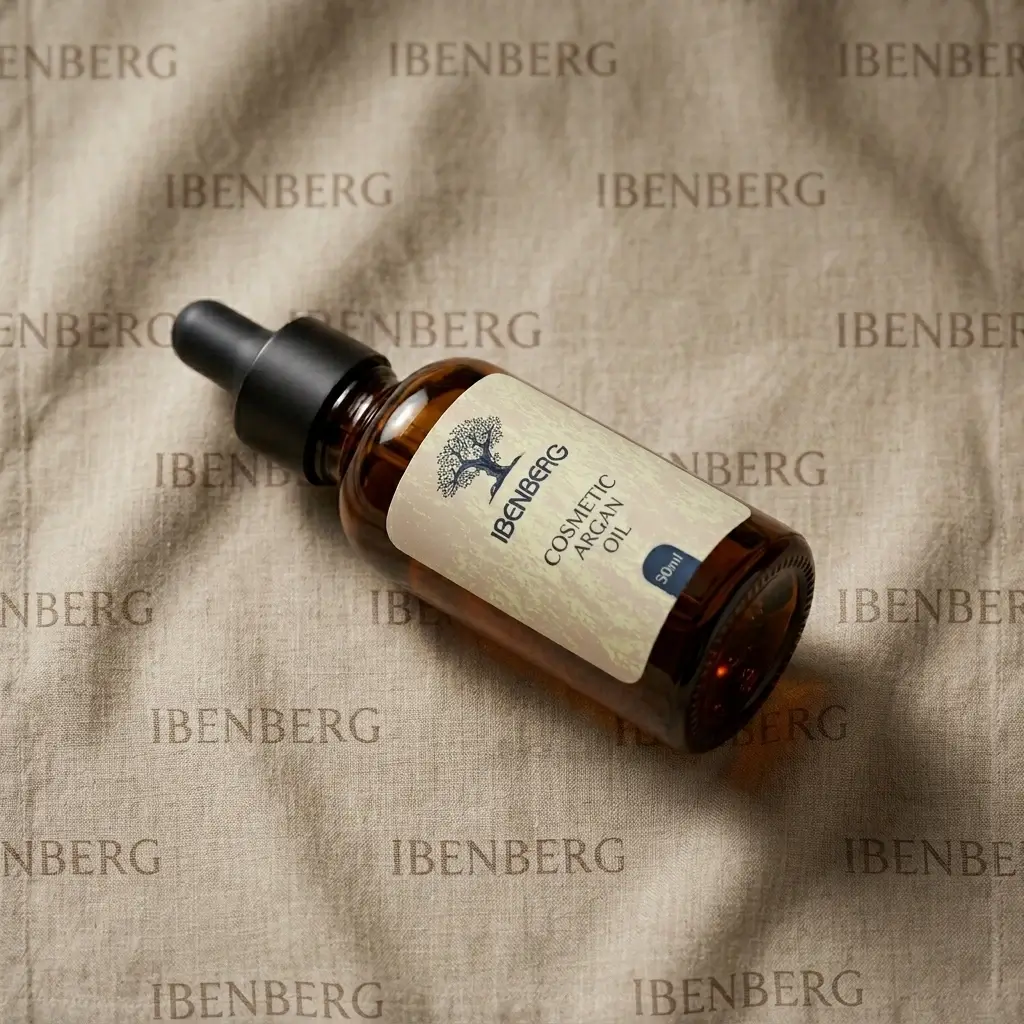
If you're ready to add a cosmetic-grade argan oil to your routine, IBenBerg Argan Oil is sourced from Morocco and produced for use on both skin and hair. It's designed to fit easily into an existing routine — a few drops on clean skin, worked in after cleansing or mixed into your regular moisturizer.
Discover IBenBerg Argan Oil →Can You Use Argan Oil Every Day on Your Face?
Many people do use argan oil daily, especially as a finishing step in their routine, and there's nothing inherently wrong with that for most skin types. Whether daily use is right for you depends on:
A reasonable approach is to start with a few times a week and adjust from there based on how your skin looks and feels.
Argan Oil in the Morning vs at Night
Morning
In the morning, a small amount of argan oil can work as part of a simple, lightweight moisturizing step — for example, mixed into your regular moisturizer for extra softness. If you use argan oil during the day, still apply sunscreen afterward, since argan oil is not a sunscreen replacement and offers no reliable UV protection on its own.
Night
At night, many people prefer using argan oil as the final step in their routine, after cleansing and any treatment products. Since there's no need to worry about layering under makeup or sunscreen, nighttime is often when people use a slightly higher amount.
Common Mistakes When Using Argan Oil on Your Face
How to Choose Argan Oil for Your Face
Not all argan oil is created equal. When choosing one for your face, look for:
IBenBerg Argan Oil is produced in Morocco and packaged for cosmetic use on skin and hair, with a straightforward ingredient list — qualities worth checking for in any argan oil you consider, whichever brand you choose.