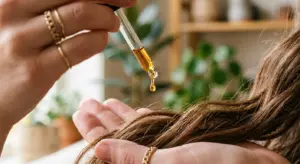
Argan Oil Benefits: Evidence-Based Benefits for Skin, Hair & Nails
Argan oil is a golden, nutrient-dense oil pressed from the kernels of the argan tree (Argania spinosa), a species that grows almost exclusively in the semi-arid Souss Valley of southwestern Morocco. Berber women have hand-cracked and cold-pressed argan kernels for generations, long before the oil earned its modern nickname, “liquid gold.” Cosmetic-grade argan oil is valued for its concentration of oleic and linoleic fatty acids alongside vitamin E (tocopherols) and other antioxidant compounds — a profile that supports skin hydration, a healthy-looking scalp, and softer hair. This guide covers what the research actually shows about argan oil benefits for skin, hair, and nails, how to use it correctly, and how to choose a genuinely pure Moroccan argan oil such as IBenBerg Argan Oil.
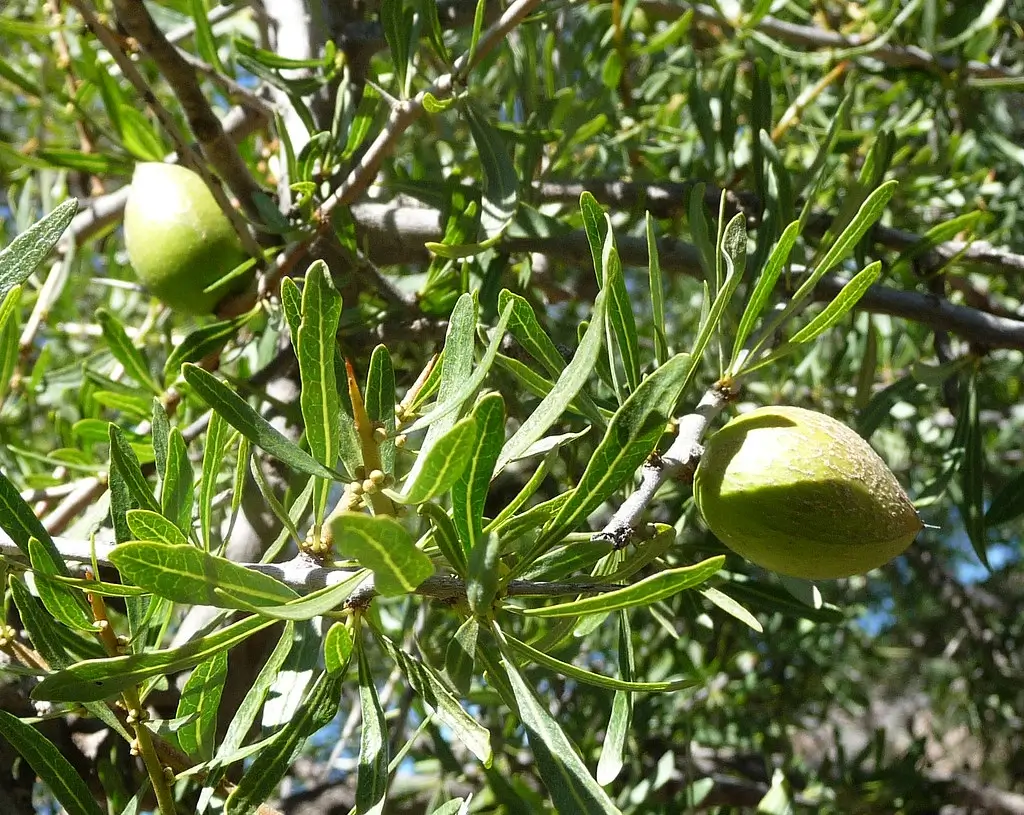
Table of Contents
- What Is Argan Oil?
- What's in Argan Oil?
- Argan Oil Benefits for Skin
- Discover IBenBerg Argan Oil
- Argan Oil Benefits for Hair
- Argan Oil Benefits for Nails and Cuticles
- How to Use Argan Oil
- Argan Oil Before or After Moisturizer?
- How to Choose a Good Argan Oil
- IBenBerg Argan Oil — Why Choose It?
- Argan Oil vs. Other Natural Oils
- Is Argan Oil Good for Every Skin Type?
- How Often Should You Use Argan Oil?
- Frequently Asked Questions
- Scientific References
What Is Argan Oil?
Argan oil is pressed from the kernels inside the fruit of the argan tree, a species native almost exclusively to southwestern Morocco’s Souss Valley. The argan forest is ecologically significant enough that UNESCO designated it a Biosphere Reserve in 1998, and the traditional knowledge and practices around the tree were later inscribed on UNESCO’s Intangible Cultural Heritage list.
Traditionally, Berber women crack the hard argan nut between two stones to free the kernel, then grind the kernels in a stone mill and press the paste to extract the oil — a slow, labor-intensive process that many women’s cooperatives in Morocco still use today. Cold-pressed, unrefined argan oil is a pale to deep gold liquid with a mild, faintly nutty aroma.
Cosmetic vs. Culinary Argan Oil
There are two distinct grades of argan oil. Culinary argan oil is pressed from lightly roasted kernels, which gives it a deeper amber color and a stronger, toasted flavor used in dishes like amlou. Cosmetic-grade argan oil is pressed from raw, unroasted kernels, producing a lighter texture, a milder scent, and an oil that is intended for topical use on skin, hair, and nails rather than for the table. When shopping for a beauty product, look for cosmetic-grade argan oil specifically.
IBenBerg is a Moroccan brand that sources cosmetic-grade argan oil directly from Morocco. Its Pure Moroccan Argan Oil is cold-pressed and unrefined, intended for use on skin, hair, and nails.
What's in Argan Oil?
Fatty Acids
Argan oil is rich in unsaturated fatty acids, primarily oleic acid (roughly 42–53% of total fatty acids) and linoleic acid (roughly 25–36%), with smaller amounts of palmitic and stearic acid.1,2 Oleic acid is an emollient that helps soften skin, while linoleic acid is an essential omega-6 fatty acid that is a structural building block of the lipids that make up the skin’s outer barrier.
Antioxidant Compounds
Argan oil contains a notably high level of tocopherols (vitamin E) — roughly 60–90 mg per 100 g, dominated by gamma-tocopherol — a concentration reported to be about twice that of olive oil.1,2 It also contains smaller amounts of polyphenols, plant sterols (such as schottenol and spinasterol), and squalene.2,3
These components matter for cosmetic use because the fatty acids help replenish lipids in the skin’s outer layer, supporting moisture retention, while tocopherols and other antioxidants help protect the oil itself from oxidation and are commonly used in skincare to help counter oxidative stress from environmental exposure.
Argan Oil for Skin
1. Helps Moisturize Dry Skin
As an emollient oil, argan oil can help form a thin surface film that slows water loss from the skin. In a controlled study of 30 postmenopausal women, one of the documented argan oil benefits was improved skin hydration: nightly topical application for two months significantly reduced transepidermal water loss (TEWL) and increased the water content of the epidermis, both signs of improved hydration.⁴
2. Supports the Skin Barrier
The outermost layer of skin relies on a matrix of lipids, including ceramides built partly from linoleic acid, to keep moisture in and irritants out. Because argan oil supplies linoleic acid, one of the notable argan oil benefits is its role in cosmetic formulations intended to help support a comfortable, moisturized-feeling skin barrier, particularly for skin that runs dry.
3. Argan Oil Benefits for Rough or Dry Skin
A few drops massaged into rough spots such as elbows, knees, and heels can help leave skin feeling softer and smoother, thanks to the emollient effect of oleic acid. It also layers well under a body lotion for extra conditioning.
4. Provides Antioxidant Compounds
Vitamin E (tocopherols) is an antioxidant that helps neutralize free radicals generated by UV exposure and environmental pollutants, factors linked to visible skin aging over time. These antioxidant properties are among the key argan oil benefits for skin, making argan oil a popular ingredient in antioxidant-focused skincare. However, topical antioxidants work best as one part of a broader routine that also includes daily sun protection.
5. May Improve the Appearance of Skin Texture
Regularly moisturizing dry, flaky skin with an emollient-rich oil can help it look smoother and more even. This is one of the argan oil benefits for skin, providing a cosmetic, surface-level effect rather than a structural change to the skin, so consistency matters more than any single application.
6. Argan Oil benefits for Dry or Mature-Looking Skin
A separate 60-day study in postmenopausal women found that both dietary and topical use of argan oil significantly improved several measures of skin elasticity compared with an olive oil control.5 The researchers described this as an anti-aging effect on skin elasticity. It’s a promising early finding, but the study was small and short, so it shouldn’t be read as proof that argan oil reverses wrinkles or permanently changes skin aging — more research is needed to confirm the size and durability of the effect.
IBenBerg Collection
Discover IBenBerg Argan Oil
Looking for a simple way to incorporate Moroccan argan oil into your daily beauty routine? IBenBerg Argan Oil is designed for cosmetic use on skin and hair.
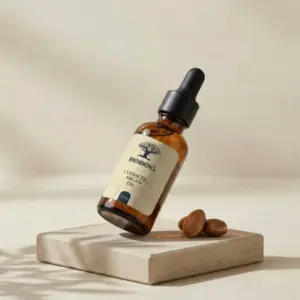
Pure Moroccan Argan Oil for Hair & Skin
$26.00 – $44.00 · 30 ml / 50 ml
Sourced from Morocco and cold-pressed to help preserve its natural fatty acids and vitamin E content. 100% pure argan oil, cosmetic grade, with no added fragrance or fillers — suitable for face, hair, and nails.
- 100% Pure Argan Oil — Cold-Pressed & Unrefined
- Sourced from Morocco
- Lightweight, fast-absorbing texture
- Suitable for face, hair, and nail care
Argan Oil for Hair
Argan oil for hair is a natural way to add softness, shine, and manageability to your hair care routine. Rich in fatty acids and vitamin E, argan oil can help nourish dry lengths, smooth frizz, and reduce the appearance of dryness. Whether your hair is curly, straight, or damaged from styling, discover how this golden oil can help your hair look healthier and feel smoother.
1. Helps Condition Dry Hair
Smoothed over the lengths and ends, argan oil can help coat the hair shaft, leaving strands feeling softer and less rough to the touch — especially useful on dry or over-processed hair.
2. Helps Reduce the Appearance of Frizz
A small amount smoothed over the hair cuticle can help lay down raised cuticle scales, which reduces the frizzy, flyaway look that comes from humidity or dryness.
3. Adds Shine and Softness
A smoother cuticle reflects light more evenly, which is part of why oils like argan oil are popular finishing products for adding visible shine without a heavy, greasy feel when used sparingly.
4. Helps Protect the Feel of Dry or Damaged Hair
Used as a pre-wash treatment or a light leave-in on the ends, argan oil can help cushion hair against the friction of brushing and heat styling, which may help it feel less rough day to day. It doesn’t repair broken bonds inside the hair shaft, but it can meaningfully improve how damaged-feeling hair looks and feels.
5. Helps Improve Hair Manageability
By reducing friction between strands, a light coating of argan oil can make hair easier to detangle and style, particularly on dry or coarse textures.
6. Argan Oil benefits for Curly Hair
Curly and coily hair textures tend to run drier because natural scalp oils travel less easily down the twists and bends of the hair shaft. A few drops of argan oil worked through damp or dry curls can help define curl pattern and control frizz without weighing curls down when used in moderation.
7. Argan Oil benefits for Dry Scalp and Hair
Massaged in small amounts into a dry, flaky scalp, argan oil may help improve the feeling of dryness and tightness. However, it is not a clinically proven treatment for dandruff, seborrheic dermatitis, or hair loss, and current evidence for argan oil regrowing hair is limited and largely anecdotal rather than backed by strong clinical trials. If you have persistent scalp irritation, flaking, or noticeable hair thinning, it’s worth speaking with a dermatologist rather than relying on any single oil.
Argan Oil benefits for Nails and Cuticles
Dry hands and rough, hangnail-prone cuticles are common, especially with frequent handwashing or cold weather. A single drop of argan oil massaged into each nail bed and cuticle can help soften rough skin around the nail and leave hands feeling less dry. It’s a simple habit to pair with a hand cream: apply the oil first to nails and cuticles, then follow with a richer hand cream if your skin needs more.
How to Use Argan Oil
For the Face
Cleanse skin first. Warm 2–3 drops between your palms, then press and gently massage the oil into your face. Using argan oil for face can be part of your nightly skincare routine, either on its own or applied after your regular moisturizer to help seal in hydration, depending on your routine and skin type.
For Hair
Use a small amount — start with 2–4 drops for shoulder-length hair. Apply mainly to the mid-lengths and ends rather than the roots, unless you’re specifically treating a dry scalp. Adjust the amount up for thicker or coarser hair, and always start with less than you think you need; it’s easy to add more but hard to remove excess oil.
For Cuticles
Apply a small drop to each cuticle and massage it in gently until absorbed.
| Use | Amount | When to Use |
|---|---|---|
| Face | A few drops | Morning or evening |
| Hair | Small amount | After washing or as needed |
| Ends | 1–3 drops | As needed |
| Cuticles | 1 drop per hand | Daily or as needed |
These amounts are general starting points, not medical dosing — adjust to what feels right for your skin and hair.
Argan Oil Before or After Moisturizer?
A water-based moisturizer typically contains humectants that draw water into the skin. A facial oil like argan oil works differently: it doesn’t add water, but it can help form a light seal over the skin that slows how quickly that moisture evaporates. For that reason, oils are generally applied after water-based products, as the last step in a routine — applying oil first can prevent water-based serums or moisturizers from absorbing properly.
How to Choose a Good Argan Oil
Not all argan oil on the market is equally pure. Here’s what to check before buying:
- Ingredient list: a genuinely pure product should list Argania Spinosa Kernel Oil as the sole or primary ingredient.
- 100% argan oil: check that the label doesn’t quietly dilute the oil with cheaper carrier oils.
- Cosmetic grade: look for oil intended for topical/cosmetic use rather than culinary, roasted oil.
- Cold-pressed extraction: cold-pressing (rather than solvent extraction or heat processing) helps preserve the oil’s natural fatty acids and antioxidants.
- Packaging: a dark or UV-protective glass bottle helps protect the oil from light-driven oxidation, which can cause it to turn rancid faster.
- Origin: genuine argan oil is sourced from Morocco — look for clear sourcing information.
- Freshness: check the batch date or expiry, and note that opened argan oil is generally best used within about a year.
- No unnecessary additives: unless a product is clearly labeled as a blend (with rose, orange blossom, etc.), pure argan oil shouldn’t need added fragrance or fillers.
Terms like “organic” and “cold-pressed” should only appear on a label when the product genuinely meets the relevant certification or process — it’s reasonable to ask a brand for documentation if you’re unsure.
IBenBerg Argan Oil — Why Choose It?
- Sourced from Morocco
- Cosmetic-grade, cold-pressed, and unrefined
- Suitable for skin, hair, and nails
- Simple ingredient list: 100% Pure Argan Oil
- Part of a Moroccan brand focused on single-origin natural oils, including almond, jojoba, and black seed oil
Argan Oil vs. Other Natural Oils
No single oil is universally “better” — the right choice depends on your skin and hair type and what you want from it.
| Oil | Texture | Skin | Hair | Best Suited For |
|---|---|---|---|---|
| Argan | Light, fast-absorbing | Dry, normal, sensitive | Frizz control, shine | Face and hair, all-round use |
| Jojoba | Light, wax-like | Oily, acne-prone | Scalp balance | Closest match to skin’s natural sebum |
| Almond | Medium | Dry, sensitive | Softening | Body oil, gentle daily moisturizing |
| Coconut | Heavy, solid below ~24°C | Very dry, non-acne-prone | Deep conditioning masks | Intensive body and hair masks |
| Rosehip | Light, fast-absorbing | Uneven tone, scarring | Not typically used on hair | Facial oil layered under moisturizer |
Is Argan Oil Good for Every Skin Type?
Argan oil is often recommended broadly because it’s lightweight and commonly reported to sit low on cosmetic comedogenicity scales, but tolerance still varies from person to person.
- Dry skin: generally tolerates argan oil well; it can help address a lack of surface lipids.
- Normal skin: works well as a light daily oil or occasional treatment.
- Combination skin: can be spot-applied to drier areas rather than the whole face.
- Oily skin: a very small amount is sometimes tolerated well since the oil is lightweight, but it isn’t necessary for everyone with oily skin and some people may prefer to skip added oils altogether.
- Sensitive skin: generally considered gentle, but any new product carries some risk of irritation.
Comedogenicity scales are a useful rule of thumb, but they aren’t derived from rigorous clinical trials, so they shouldn’t be treated as a guarantee. If you have sensitive skin, are acne-prone, or are trying any new cosmetic product for the first time, patch test on a small area of skin (like the inner forearm) for 24–48 hours before applying it to your face.
How Often Should You Use Argan Oil?
Face: once or twice a day (morning and/or night) is typical, adjusted to how your skin responds.
Hair: a few drops as a finishing oil can be used daily, while a heavier pre-wash treatment is usually applied once or twice a week.
Cuticles: can be applied daily, especially after handwashing or in dry weather.
These are general guidelines — the right frequency ultimately depends on your skin type, hair type, climate, and personal preference. Start with less and increase gradually.
Frequently Asked Questions
Is argan oil good for your skin?
Yes, for most people. Its fatty acids and vitamin E can help moisturize skin and support a comfortable-feeling skin barrier. It’s generally well tolerated across skin types, though it’s always sensible to patch test a new product first.
What are the main benefits of argan oil?
The main cosmetic argan oil benefits are moisturizing dry skin, supporting the skin barrier, softening rough skin, delivering antioxidant compounds, conditioning hair and reducing frizz, and softening dry cuticles and nails.
Is argan oil good for hair?
Yes, it’s widely used to help condition dry hair, add shine, and reduce the look of frizz. These are among the commonly recognized argan oil benefits for hair. Evidence here is mostly traditional use and cosmetic-chemistry reasoning rather than large clinical trials, but it’s a well-established finishing and conditioning oil.
Does argan oil help dry skin?
Yes — clinical research has shown that topical argan oil can reduce transepidermal water loss and increase epidermal water content, both markers of improved skin hydration and important argan oil benefits for dry or dehydrated skin.⁴
Does argan oil help hair growth?
There isn’t strong clinical evidence that argan oil regrows hair or treats hair loss. It can help hair look and feel healthier by conditioning the strands, but it isn’t a proven hair-growth treatment.
Can I use argan oil every day?
Most people can use a small amount daily on face, hair ends, or cuticles without issue. As with any cosmetic oil, watch for irritation or clogged pores and adjust frequency to what your skin and hair need.
Is argan oil suitable for oily skin?
It’s often reported to be low on comedogenicity scales, so a very small amount is sometimes tolerated even on oily skin, but it isn’t a requirement, and some people with oily skin may prefer to leave oils out of their routine entirely.
Can I leave argan oil in my hair overnight?
Yes, a pre-wash treatment left in overnight (or for 30–45 minutes wrapped in a warm towel) is a common way to use argan oil as a deeper conditioning treatment before shampooing.
Is Moroccan argan oil better?
Argan trees grow almost exclusively in Morocco, so authentic argan oil is, by definition, Moroccan. “Moroccan argan oil” on a label is mainly a claim about authenticity and sourcing rather than a separate grade of oil.
What is the difference between cosmetic and culinary argan oil?
Culinary argan oil is pressed from roasted kernels and has a deeper color and toasted flavor for cooking. Cosmetic-grade argan oil is pressed from unroasted kernels and is intended for topical use on skin, hair, and nails.
How should argan oil be stored?
Store it in a cool, dark place away from direct sunlight and heat, ideally in its original dark glass bottle, with the cap tightly closed to slow oxidation.
Scientific References
1. Charrouf Z, et al. Argan oil composition review. In: The Importance of Argan Oil in Medicine and Cosmetology. PubMed: pubmed.ncbi.nlm.nih.gov/39458566
2. Argan Oil: A Natural Bioactive Lipid Modulating Oxidative Stress and Inflammation. Antioxidants. PMC: PMC12108203
3. Argan Oil: Chemical Composition, Extraction Process, and Quality Control. Frontiers in Nutrition. 2021. frontiersin.org
4. Boucetta KQ, Charrouf Z, Aguenaou H, Derouiche A, Bensouda Y. Skin hydration in postmenopausal women: argan oil benefit with oral and/or topical use. Menopause Review (Prz Menopauzalny). 2014;13(5):280–288. PMID 26327867
5. Boucetta KQ, Charrouf Z, Aguenaou H, Derouiche A, Bensouda Y. The effect of dietary and/or cosmetic argan oil on postmenopausal skin elasticity. Clin Interv Aging. 2015;10:339–349. PMID 25673976
6. Msanda F, et al. Floristic biodiversity, biogeographical significance, and importance of Morocco’s Arganeraie Biosphere Reserve. Environ Sci Pollut Res. 2021.
This article summarizes published research for general educational purposes. It is not medical advice, and individual results with any cosmetic product will vary.
Written by the IBenBerg Editorial Team — researched and written with reference to the peer-reviewed cosmetic-science literature on argan oil cited above.
Published/updated: August 2026.
Ready to Add Moroccan Argan Oil to Your Routine?
Explore IBenBerg Argan Oil and discover a simple, versatile way to care for your skin and hair.